Content
Foreign nationals may acquire Netherlands citizenship through either standard naturalisation or an accelerated route. The standard procedure generally requires at least five years of permanent legal residence, while certain applicants may qualify after three years. Obtaining a Dutch passport can be demanding: in most cases, applicants must demonstrate knowledge of the Dutch language and renounce their existing citizenship.
Every application is carefully assessed by the Dutch Immigration and Naturalisation Service (IND). Refusals may result from an incomplete set of documents, failure to meet the residence requirements, insufficient language proficiency or a criminal record.
A more accessible route may be to obtain citizenship of another EU country through one of the simplified procedures available in certain member states. This status allows its holder to live freely in any of the 27 EU countries. Such programmes do not require years of residence or a sequence of residence permits, and an EU passport may be obtained in as little as 12 months.
Book a consultation with a migration lawyer to receive up-to-date information about obtaining EU citizenship within a shorter timeframe.
Benefits and Challenges of Obtaining a Dutch Passport
The Dutch citizenship procedure has several features that applicants should consider in advance.
Key challenges:
- Renouncing previous citizenship. In most cases, applicants who obtain a Dutch passport must give up their existing citizenship. However, Dutch law provides specific exceptions that may allow both statuses to be retained.
- Civic integration examination. Applicants must demonstrate Dutch language proficiency at A2 level and knowledge of the country’s history, traditions and rules of public life.
- Knowledge of Dutch society. The KNM examination module assesses the applicant’s understanding of the Netherlands’ core values, political system and social norms.
- Strict background checks. Criminal convictions, offences or circumstances regarded as a threat to public order may lead to a refusal.
Benefits of citizenship:
- a passport issued by an EU member state;
- the right to live and work permanently in the Netherlands;
- the freedom to relocate to other European Union countries;
- access to social security and healthcare systems;
- the right to participate in the country’s political life;
- the full range of rights granted to EU citizens.
Dutch Citizenship: Current Routes to a Passport
Most foreign nationals can apply for a Dutch passport through naturalisation or the option procedure, both of which require compliance with strict conditions, including long-term legal residence. The following routes are generally unavailable to most applicants:
- Citizenship by birth in the Netherlands (jus soli).
The Netherlands does not apply unconditional birthright citizenship. A child born in the country acquires Dutch citizenship automatically only if at least one parent is a Dutch citizen or holds permanent residence. Otherwise, the child generally acquires the citizenship of the parents. - Citizenship through adoption.
A foreign child may acquire Dutch citizenship if adopted by a Dutch citizen before reaching the age of majority and if the adoption meets the applicable legal requirements. - Citizenship by Royal Decree.
This is an exceptionally rare route used for individuals with outstanding achievements or a significant contribution to the country, as well as in other exceptional circumstances.
Dutch Citizenship by Descent
Children acquire Dutch citizenship by descent automatically when the relevant legal conditions are met:
- Citizenship at birth — a child automatically acquires Dutch citizenship regardless of the country of birth if at least one parent is a Dutch citizen when the child is born. This is the standard principle of citizenship by descent.
- Children born abroad — a child born outside the Netherlands may also acquire Dutch citizenship if one of the parents is a Dutch citizen.
Naturalisation
Citizenship may be granted after a prolonged period of lawful residence and successful integration into Dutch society. Applicants must meet several requirements, and the type of residence permit determines how much of their stay counts towards the qualifying period for a Dutch passport.
- Through employment.
Foreign nationals who reside in the Netherlands under an employment contract, including highly skilled migrants, may apply for citizenship after meeting the five-year residence requirement. A permit issued for regular employment or highly skilled work is generally treated as a non-temporary residence purpose and counts towards the required period of lawful residence. Applicants must remain officially employed and continue meeting the relevant conditions throughout this period. When changing jobs or residence permit categories, it is important to avoid any gap in lawful status, as this may interrupt the residence period. - Through marriage or a registered partnership with a Dutch citizen.
Spouses and registered partners of Dutch citizens may qualify for an accelerated naturalisation route. Applicants generally need three years of continuous lawful residence while living with their Dutch partner throughout that period. They must also demonstrate Dutch language proficiency at A2 level and have no disqualifying criminal record. - Through entrepreneurship.
A person holding a Dutch residence permit for business activity or self-employment may apply for citizenship after five years of residence. The business must remain operational and profitable throughout this period and continue to meet the conditions required for renewal of the residence permit.

Other Routes to Dutch Citizenship
The Dutch option procedure is available to certain applicants who have a close connection with the country. It involves fewer requirements than naturalisation. In many cases, applicants are not required to take the civic integration examination, although proof of language proficiency may still be necessary. The option procedure may be available to:
- persons born in the Netherlands who lived there continuously from birth until the age of 18 and hold a permanent residence permit;
- former Dutch citizens seeking to restore their citizenship;
- persons aged 65 or over who have lived in the Netherlands for at least 15 years;
- minor children whose parents acquired Dutch citizenship through the option procedure and who have lived in the country continuously for three years.
Special naturalisation rules also apply to stateless persons and individuals who previously held Dutch citizenship but lost it. Depending on the category, the required residence period may be reduced to three years or one year respectively.
Who Can Obtain Dutch Citizenship
Subject to the residence and integration requirements, Dutch citizenship may be available to the following categories of applicants:
- Applicants who have lived legally for five years under a non-temporary residence purpose, such as employment, business or family reunification, and have integrated into society. The qualifying period may be completed in the Netherlands or in one of the autonomous countries within the Kingdom of the Netherlands, including Aruba, Curacao and Sint Maarten. Applicants must also pass the civic integration examination (inburgeringsexamen) at A2 level and have no disqualifying criminal record.
- Spouses or registered partners of Dutch citizens. Accelerated naturalisation may be available to applicants married to or in a registered partnership with a Dutch citizen. They must generally have lived lawfully and continuously with their Dutch partner within the Kingdom for at least three years immediately before applying, while also meeting the integration and good-conduct requirements.
- Children born to Dutch citizens. A child acquires Dutch citizenship at birth if at least one parent is a Dutch citizen at that time. The country of birth is irrelevant, as citizenship is transferred automatically by descent (jus sanguinis).
- Persons born in the Netherlands who have lived in the country continuously for an extended period. The option procedure may be available to individuals who were born in the Netherlands, lived there continuously from birth until the age of 18 and hold a valid residence permit for a non-temporary purpose. This simplified route often does not require the civic integration examination.
- Former Dutch citizens. Applicants who previously lost Dutch citizenship, for example after acquiring another nationality, may be able to restore their status, usually through the option procedure. Residence and language requirements may be relaxed depending on the circumstances in which citizenship was lost.
- Recognised refugees and stateless persons. Individuals granted refugee status or officially recognised as stateless in the Netherlands may be eligible for a shorter residence period before naturalisation, such as three years instead of five, provided they meet the remaining requirements, including language proficiency and good conduct.
Dutch Citizenship Application Procedure
The route to Dutch citizenship is a staged process that begins with lawful entry and registration of residence. For Turkish citizens and most other nationals outside the EU, EEA and Switzerland, immigration usually begins with an MVV (Machtiging tot Voorlopig Verblijf), an authorisation for temporary stay. In practice, this is a long-stay entry visa issued for a specific purpose, such as employment, study, family reunification or entrepreneurship. Once the MVV is granted, the applicant may enter the Netherlands.
After entering the country with an MVV, the applicant must complete the required registration with the Immigration and Naturalisation Service (IND) and obtain the first temporary residence permit. This permit is issued for a defined period, usually from one year, and is directly linked to the purpose of stay. To maintain lawful status and accumulate the required residence period, the permit must be renewed on time while the original eligibility conditions continue to be met. The subsequent process generally includes the following stages:
- Obtaining permanent residence.
After five years of residence and subject to the applicable conditions, an applicant may qualify for a permanent residence permit. This status is not tied to a specific purpose of stay and provides greater flexibility, including when choosing employment and a place of residence. - Passing the civic integration examination (inburgeringsexamen).
This examination is a key stage for most naturalisation applicants. Candidates must demonstrate sufficient Dutch language proficiency, generally from A2 level, and knowledge of Dutch society. The standard civic integration examination includes reading, writing, speaking, listening and knowledge of Dutch society. Preparation may require considerable time and effort. - Submitting the citizenship application.
Once all requirements have been met, the applicant may submit a formal application for Dutch citizenship through the municipality of residence. A complete set of documents demonstrating compliance with all eligibility criteria must be provided. Applicants who qualify for the option procedure may follow a simpler process. - Attending the declaration of solidarity ceremony.
If the application is approved and the relevant Royal Decree is signed, the applicant is invited to a naturalisation ceremony, usually held by the municipality. During the ceremony, the applicant makes the required declaration of solidarity with the Kingdom. Citizenship becomes effective after completion of the formalities and issuance of the citizenship confirmation. Applicants must also comply with the requirement to renounce their previous citizenship unless an exemption applies. - Obtaining Dutch identity documents.
After receiving confirmation of citizenship, the new citizen may apply to the municipality for a Dutch passport and identity card (ID-kaart). These documents provide official proof of status and access to the rights associated with Dutch and EU citizenship, including extensive visa-free travel and freedom to live and work throughout the European Union.
A Dutch passport provides freedom of residence and movement across the EU, as do passports issued by the other 26 member states. However, citizenship can be obtained much faster in some EU countries, without being tied to a required period of residence before or after approval. Our lawyer will explain the simplified programmes for obtaining EU citizenship without renouncing your current passport and assess your eligibility.
Dutch Citizenship Processing Times and Costs
Legalisation in the Netherlands is a multi-stage process that requires a considerable investment of time and money. For most applicants, the continuous lawful residence period required before applying for a Dutch passport is at least five years. For a spouse or registered partner of a Dutch citizen, this period may be reduced to three years.
The official processing period for a naturalisation application is up to 12 months from submission of a complete file. The option procedure is usually faster, with processing taking up to six months. Delays may occur because of the IND’s workload, the complexity of the case or requests for additional information. Following approval, the applicant is invited to a naturalisation ceremony.
The invitation is usually issued within several months after the approval notice. The municipality then needs several working days to issue the passport and identity card. Measured from the applicant’s initial arrival in the Netherlands, the entire process may therefore take approximately 3.5 to 4 years under an accelerated route and six years or more under the standard procedure.
The main official costs associated with obtaining Dutch citizenship are shown in the table below.
| Procedure | Cost, EUR |
|---|---|
| MVV and residence permit, depending on the grounds | 254–1,337 |
| Permanent residence permit | 254 |
| Civic integration examination, five modules | 250 |
| Translation and legalisation of the application file, per document | from 10 |
| Citizenship application | 168 for a child under 18; 1,139 for an adult |
| Dutch passport | 67.05–88.65 |
| Dutch identity card | 43.20–80.10 |
Language courses and examination preparation can represent a significant variable expense. Dutch language course fees differ considerably depending on the school, intensity and number of study hours and may range from several hundred to several thousand euros. Applicants should also account for living costs and professional migration support, which can help ensure that the citizenship application is prepared correctly.
EU citizens do not need a Dutch residence permit to live in the Netherlands and generally only need to register at their place of residence. A passport issued by any EU member state also allows its holder to choose another EU country for permanent residence.
Book a consultation with a lawyer to learn whether you may qualify for European citizenship and which legal route is suitable for your circumstances.
The Strength of the Dutch Passport
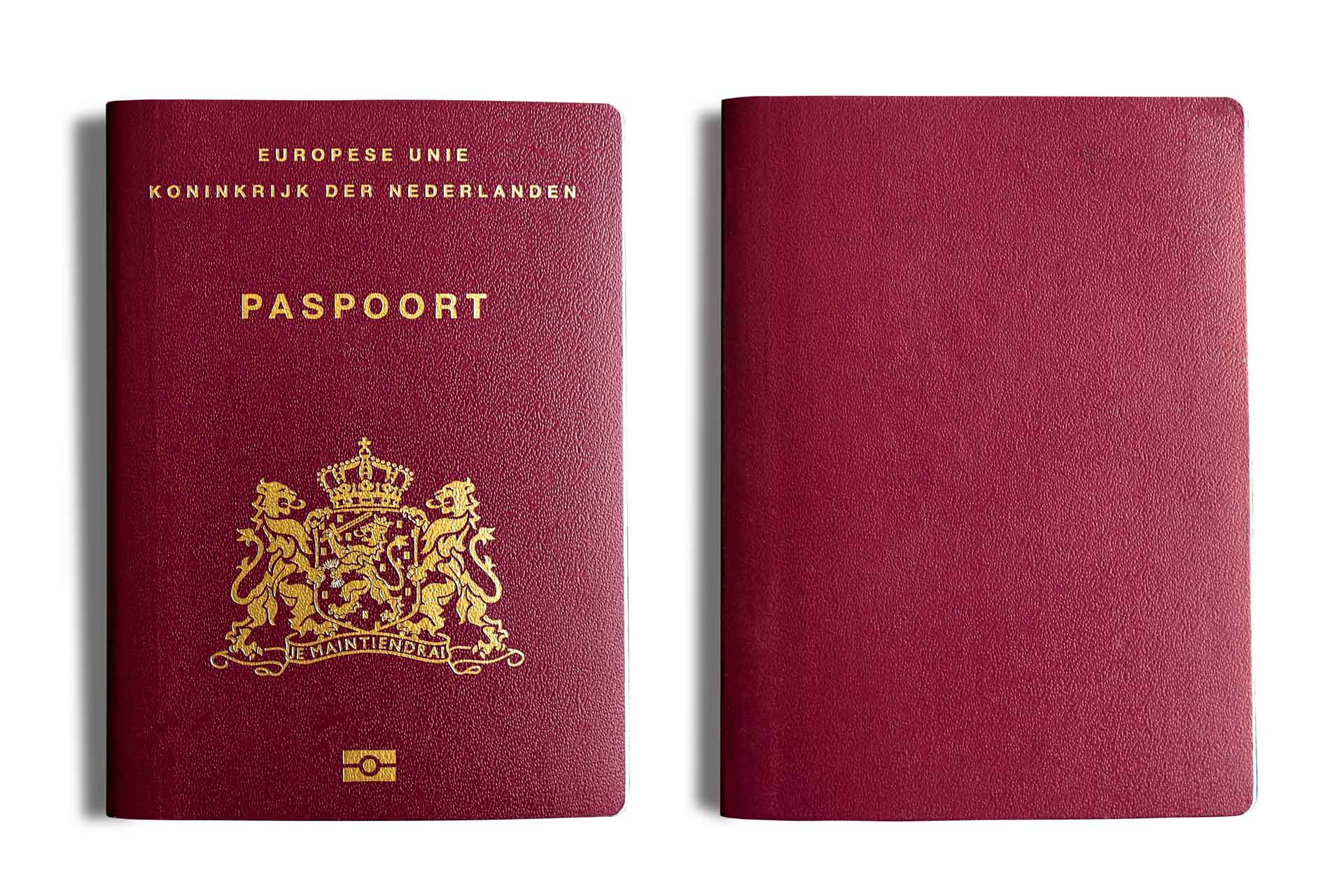
The Dutch passport is regarded as one of the world’s strongest travel documents and regularly ranks highly in international indexes. It provides extensive freedom of movement and the full range of rights associated with European Union citizenship.
Dutch passport holders can visit more than 170 countries and territories without obtaining a visa in advance, including the United Kingdom, Ireland, the United States, Canada, Australia, South Korea and Singapore.
Dutch citizenship provides full civil rights, including the right to vote, broad access to social benefits and consular protection worldwide. Within the European Union, the EEA and Switzerland, it also provides:
- freedom to travel, reside, work and conduct business without obtaining additional permits;
- access to the EU labour market and the ability to apply for vacancies under the same conditions as other EU citizens;
- access for children to European education under the conditions available to EU citizens, which often means substantially lower tuition fees or no tuition fees compared with rates for non-EU students;
- access to social security and healthcare systems subject to the rules of the country of residence, providing additional protection after relocation.
If the Netherlands has no embassy or consulate in a particular country, Dutch citizens may request consular assistance from the diplomatic mission of another EU member state.
Second Citizenship in the Netherlands
As a general principle, Dutch nationality policy favours a single citizenship. This means that applicants who acquire Dutch citizenship through naturalisation are usually required to renounce their existing nationality. Dutch citizens who voluntarily acquire another nationality may also automatically lose their Dutch citizenship. However, exceptions apply, and a second citizenship may be permitted when:
- a child is born outside the Netherlands and automatically acquires the citizenship of the country of birth while also receiving Dutch citizenship by descent from a Dutch parent;
- a minor automatically acquires the citizenship of a foreign parent by descent or place of birth while also receiving Dutch citizenship from a Dutch parent;
- a Dutch citizen automatically acquires another nationality without taking any voluntary action, for example through marriage where the other country’s law grants citizenship automatically and does not allow it to be refused;
- the law of the applicant’s country of origin does not permit renunciation of citizenship, as may be the case in certain countries in Latin America, Iran, Morocco or India;
- renunciation would cause serious financial or social hardship, such as exceptionally high renunciation fees, loss of inheritance rights or inability to enter the country of origin to address important personal matters;
- the applicant is a recognised refugee or stateless person and is not required to renounce a previous citizenship.
Certain applicants using the option procedure, including some persons born in the Netherlands who have lived there continuously for a long period, may also be exempt from the requirement to renounce their previous citizenship.
These exceptions concern holding a second citizenship. The Netherlands does not have bilateral dual-citizenship agreements based on the mutual recognition of nationality documents.
Reasons a Dutch Citizenship Application May Be Refused
The Dutch immigration authorities may refuse a citizenship application for the following main reasons:
- Failure to meet the lawful residence requirement — for example, the applicant has not lived lawfully and continuously in the country for the required three or five years. This may occur when residence was based on a temporary purpose, such as study, seasonal work or an au pair placement, that does not count towards the qualifying period.
- Insufficient Dutch language proficiency or integration — the applicant has not demonstrated the required language level or provided evidence of successful civic integration.
- Legal or public-order issues — in addition to criminal convictions, seemingly minor offences, including traffic fines, may affect the decision.
- The applicant is considered a threat to public order or society.
- Failure to comply with the renunciation requirement — applicants who do not qualify for a statutory exemption must renounce their existing citizenship.
- Refusal to make the declaration of solidarity. The naturalisation ceremony is the final stage before citizenship is confirmed, and refusing the required declaration may result in a negative decision.
- False information or documents — if the competent Dutch authorities determine that an applicant submitted misleading information or forged documents, citizenship will be refused.
A successful Dutch citizenship application requires a clear understanding of the current legal requirements and careful preparation of the supporting documents. Professional legal advice can help reduce risks when selecting and completing an immigration route.
Migration specialists will develop the most efficient lawful route to EU citizenship and support you at every stage of the passport application process.
Content