Content
Slovak citizenship gives passport holders access to a wide range of privileges, including the right to freely live, work, study, and conduct business in any EU member state. This status may be obtained through birthright, marriage to a Slovak citizen, or long-term legal residence in the Slovak Republic.
According to the legal requirements applicable in 2026, applicants for Slovak citizenship are generally required to legally reside in the country for a period ranging from 3 to 8 years depending on the legal basis for obtaining the status. Foreign nationals are also expected to demonstrate integration into Slovak society and prove their knowledge of the national language.
Applying for Slovak citizenship can become a lengthy and complicated process without a clear understanding of local immigration rules and legal requirements. Professional support from a migration law specialist helps applicants avoid common mistakes, prepare documents correctly, and navigate each stage of legalization in Slovakia with greater confidence and efficiency.
Slovak Immigration Legislation
Issues related to obtaining citizenship are regulated by the Law «On Citizenship of the Slovak Republic» No. 40/1993. Useful legal information for applicants is also available on the official website of the Migration Information Centre.
Most foreign nationals applying for Slovak citizenship may retain their original nationality. For example, citizens of many non-EU countries are allowed to obtain a second passport while keeping their first citizenship, provided this does not contradict the legislation of their home country. However, the rules regarding dual or second citizenship may differ depending on the applicant’s state of origin and its national laws.
Holders of a Slovak passport are required to comply with national legislation, participate in elections and civic duties where applicable, and pay taxes. In return, the state guarantees citizens legal and social protection.
Travel freely to over 170 countries
Benefits of a Slovak Passport
A holder of a Slovak passport has the right to:
- live in Slovakia without time limitations;
- work, study, or conduct business activities in the country legally;
- access healthcare services;
- travel visa-free to many countries around the world;
- apply for benefits provided by the state social insurance system;
- freely live, work, and study in any country of the European Union (EU) or the European Economic Area (EEA).
Ways to Obtain Slovak Citizenship
There are several legal pathways for obtaining citizenship of the Slovak Republic. One of them is citizenship by descent (jus sanguinis), which is available to applicants who can confirm Slovak ancestry or family roots connected to the country.
Another common route is naturalization, which generally requires long-term legal residence in Slovakia. In most cases, applicants must legally reside in the country for up to 8 years, including several years with temporary residence status followed by permanent residence.
There is also an alternative way to obtain rights equivalent to those enjoyed by Slovak citizens. By acquiring citizenship of another EU country, such as Romania, Bulgaria, or Poland, through simplified legal procedures that may take from approximately 12 months, applicants gain the right to freely live, work, study, and conduct business activities in Slovakia and throughout the European Union. To better understand the available options and select the most suitable immigration strategy, applicants often seek advice from migration law specialists.
Citizenship by Birth
Children of Slovak citizens automatically acquire citizenship regardless of their place of birth. Citizenship may also be granted to children born in Slovakia to foreign nationals or stateless persons under certain legal conditions. To obtain a Slovak passport for a child, an application must be submitted to the local civil registry office or to a Slovak embassy or consulate in the country of residence. Together with the request, applicants are generally required to provide identity documents of both parents and the child’s birth certificate.
Citizenship by Descent
Applicants whose relatives up to the third generation were citizens of former Czechoslovakia or were born in the territory of the Slovak Republic may qualify for Slovak citizenship by descent. This right may also apply to individuals holding the status of a Slovak living abroad. Applicants are usually required to hold a residence permit and confirm legal residence in Slovakia for at least 3 years prior to submitting the application.
Citizenship Through Marriage
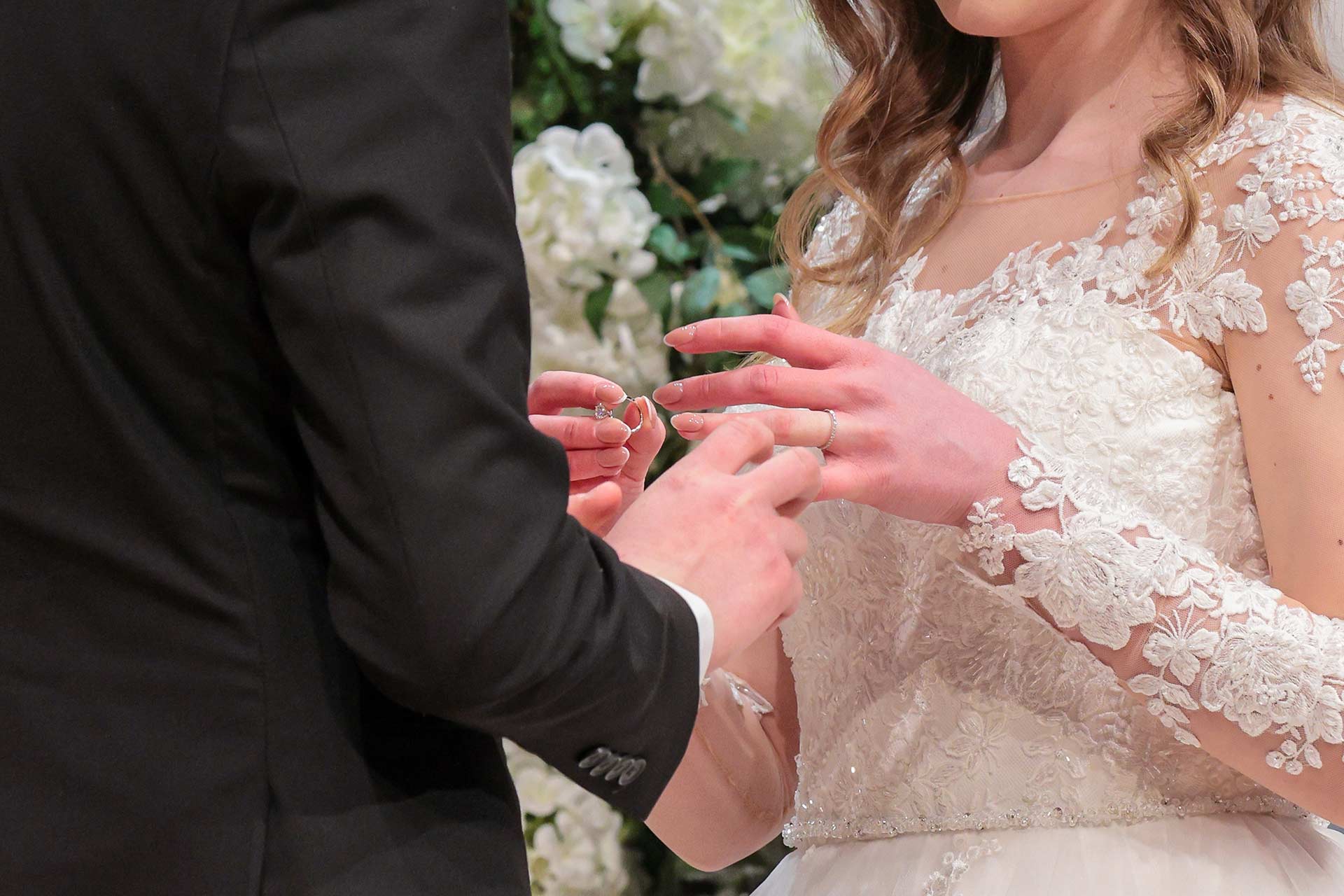
Marriage to a Slovak citizen may allow a foreign national to obtain Slovak citizenship after 5 years of joint residence in the country. To confirm eligibility, applicants must generally provide a marriage certificate together with evidence of maintaining a shared household and family life.
Citizenship Through Long-Term Residence
The standard naturalization procedure in Slovakia generally requires applicants to legally reside in the country for 8 years before applying for citizenship. Applicants are expected to demonstrate knowledge of the Slovak language, integration into society, and sufficient financial resources. The processing period for citizenship applications may take up to 24 months.
For citizens of non-EU countries, naturalization is often considered the most accessible pathway to Slovak citizenship, although the process may take close to 10 years in total and requires applicants to meet numerous legal conditions, pass examinations, and in some cases renounce their current nationality. At the same time, some EU countries such as Poland, Bulgaria, and Romania offer simplified citizenship programs available to individuals with confirmed ancestral or territorial connections. Repatriation programs may allow applicants to obtain an EU passport in a significantly shorter timeframe — often starting from approximately 12 months. These procedures usually involve fewer requirements, with the main condition being proof of ancestry or territorial affiliation, depending on the country. To better understand the available pathways and choose the most suitable immigration strategy, applicants often seek assistance from international migration law specialists.
Requirements for Obtaining Slovak Citizenship
To obtain Slovak citizenship, applicants are generally required to:
- provide proof of legal residence in Slovakia for the period established by law depending on the legal basis for the application;
- demonstrate knowledge of the Slovak language at a level sufficient for communication and integration into society;
- provide evidence of a stable source of income or financial independence;
- confirm the absence of criminal convictions during the previous 5 years.
The specific requirements and conditions may vary depending on the legal basis under which the applicant seeks Slovak citizenship.
How to Obtain Slovak Citizenship: Step-by-Step Procedure
- Obtaining a Visa.
To legally enter Slovakia, foreign nationals generally need to obtain a national type D visa. Applications for the visa are submitted to the Slovak diplomatic mission or the local migration police office. When filing the request, applicants are usually required to provide an identity document, passport-format photographs, health insurance, documents confirming the purpose of relocation, and proof of financial means. The standard processing period for an entry visa is generally up to 30 days. - Obtaining a Temporary Residence Permit.
A temporary residence permit may be issued on the basis of employment, business activity, education, family reunification, or asylum. Applications for residence status are submitted either to the Slovak diplomatic mission abroad or directly to the migration police department in Slovakia. The validity period of the residence permit depends on the legal basis and may range from 1 to 6 years. - Obtaining Permanent Residence.
Permanent residence status may generally be obtained after 2–5 years of legal stay in Slovakia based on a temporary residence permit. Applicants, including retirees, are usually required to demonstrate stable income, valid health insurance, and suitable accommodation. Applications for permanent residence are submitted to the police department of the Slovak Republic. Permanent residence status itself is granted indefinitely. Applicants who do not hold permanent residence status are generally not eligible to apply for Slovak citizenship. - Acquiring Citizenship.
Citizenship may usually be obtained after 8 years of legal residence in Slovakia, although in some situations the required period may be reduced to 3–5 years. Applicants must submit an application together with the required documents to the Ministry of the Interior of the Slovak Republic. During the procedure, applicants are generally required to attend an interview and demonstrate knowledge of the Slovak language, culture, history, and Constitution.
The status of the application may usually be checked online through the official website of the Slovak Ministry of the Interior. In the event of a positive decision, the applicant takes an oath before a representative of the Ministry or another authorized official and receives a certificate of citizenship, on the basis of which the Slovak passport may subsequently be issued.
Documents Required for Obtaining Slovak Citizenship
When applying for Slovak citizenship, applicants are generally required to submit the following documents:
- a completed application form (available for download on the official website of the Ministry of the Interior of the Slovak Republic);
- a valid international passport;
- civil status documents, if applicable (marriage certificate, divorce certificate, or spouse’s death certificate);
- a short autobiography or personal biography;
- birth certificate;
- documents confirming legal residence in Slovakia for the period required by law;
- a criminal record certificate issued no more than 6 months before submission;
- proof of Slovak language proficiency.
Additional documents may also be requested, including:
- proof of tax payments;
- documents confirming employment or studies;
- valid health insurance;
- bank statements confirming sufficient financial resources to support living expenses in Slovakia.
When applying for citizenship for a child, the parent submitting the request may also need to provide a notarized consent from the second parent.
When applying for a Slovak passport or national identity document, applicants are additionally required to provide:
- a certificate confirming Slovak citizenship status;
- biometric data;
- proof of payment of the administrative fee.
Cost of Obtaining Slovak Citizenship
Slovak legislation does not provide the possibility to purchase citizenship or obtain it solely through investment without completing the standard naturalization procedure. Obtaining Slovak citizenship involves several administrative expenses, the amount of which depends on the applicant’s category and legal basis.
For adult applicants, the government fee for obtaining citizenship is approximately EUR 700. Applicants between the ages of 15 and 18 generally pay around EUR 150, while the fee for children under 15 is about EUR 100. Former citizens of Slovakia or former Czechoslovakia, as well as repatriates, may qualify for a reduced fee of approximately EUR 20. Applicants holding the status of a Slovak living abroad usually pay around EUR 400 for citizenship processing.
Additional expenses may include official translation, notarization, and legalization of documents issued outside Slovakia. The final cost depends on the number of documents and the region where the application is submitted.
It is also important to consider that obtaining a Slovak passport generally requires legal residence in the country for a period ranging from 3 to 8 years depending on the legal basis for citizenship. During this time, applicants are expected to cover accommodation, health insurance, and other everyday living expenses independently.
As an alternative, some foreign nationals consider simplified citizenship programs available in other EU countries and later relocate to Slovakia already holding EU citizenship status, which grants the right to freely live and work in the country.

Slovak Citizen Passports
A Slovak passport is issued in the form of a dark burgundy booklet featuring the national coat of arms, the country’s name, and the inscription «European Union» (Európska únia) on the cover. Inside, the document contains the holder’s personal information, including a photograph, signature, place of residence, date of birth, and other identification details.
Holders of Slovak passports may travel visa-free to more than 170 countries worldwide, including all Schengen Area and European Union member states, as well as destinations such as the United Kingdom, Japan, Australia, and many others.
Refusal of Slovak Citizenship
An application for Slovak citizenship may be rejected if the applicant fails to comply with the requirements established by immigration legislation. The most common reasons for refusal include:
- failure to meet the required period of legal residence in Slovakia;
- insufficient knowledge of the Slovak language;
- concerns related to national security or public order;
- the existence of criminal convictions;
- submission of forged documents or false information;
- failure to satisfy other legal requirements, including proof of financial stability or integration into society.
To reduce the risk of refusal, applicants should carefully comply with all legal requirements, provide accurate information, and submit a complete and properly prepared set of documents.
The process of obtaining Slovak citizenship differs from case to case, which is why applicants’ experiences and reviews can vary significantly. Some individuals highlight the efficiency of government services and the overall quality of life in Slovakia, while others encounter difficulties such as language barriers, lengthy processing times, and considerable additional expenses related to legalization and document preparation.
Many immigrants also consider obtaining citizenship of another EU country as an alternative way to simplify legalization in Slovakia. Holding citizenship of any EU member state allows a person to legally live, work, and study in Slovakia without the need to obtain additional visas or permits.
To better understand all legal nuances and simplify the citizenship procedure, many applicants choose to seek professional assistance. Specialists in international and migration law monitor changes in immigration legislation, analyze common reasons for refusals, and understand the procedural details of the application process, helping applicants avoid mistakes and improve their chances of a successful outcome while saving time and effort.
Content