Content
A residence permit in Poland (temporary residence permit, residence status, or residency card) gives a foreign national the legal right to stay in the country. For applicants from non-EU countries, this remains one of the most accessible ways to relocate to a developed European state. After 3–5 years of continuous residence with a temporary residence permit (Karta pobytu), foreigners may apply for permanent residence in Poland (Karta stałego pobytu), and later — for Polish citizenship and a passport.
A temporary residence permit is the first step toward naturalization for foreigners planning to live in the European Union long term. The legal procedure, stages of application, and validity period of a Polish residence permit depend on the grounds on which it is issued. Residency may be obtained through marriage, education, employment, repatriation, and several other legal pathways. This article explains how applicants from third countries can obtain legal residence in Poland safely, efficiently, and with minimal unnecessary expenses.
Obtaining a residence permit in Poland may involve various legal requirements and administrative procedures, which is why many applicants seek assistance from migration lawyers. Specialists help prepare documents correctly, choose the most suitable legalization pathway, and support applicants throughout each stage of the process, reducing the risk of delays or refusals.
Benefits of a Polish Residence Permit
A Polish residence permit gives foreign nationals the legal right to stay in the country for a specified period, cross the border multiple times without applying for a visa, and travel freely within the European Union and the Schengen Area. A residence card (Karta pobytu) also provides legal access to employment, business activity, science, creative professions, and volunteering.
A Polish residence permit allows foreigners to:
- reside in the country legally on a long-term basis;
- work officially, run a business, manage partnerships or joint-stock companies, and engage in scientific activities;
- study at Polish universities, colleges, technical schools, and other educational institutions either free of charge or at reduced tuition rates;
- relocate family members by obtaining similar residence status for a spouse and/or minor children;
- receive medical treatment in public healthcare institutions through a health insurance policy;
- enroll children in local schools and kindergartens under the same conditions as residents;
- use financial services and apply for loans from Polish banks, including for property purchases;
- issue invitation letters for relatives and friends visiting from abroad;
- stay in other Schengen countries for up to 90 days within a 180-day period;
- apply for permanent residence in Poland after 5 years of continuous stay on the basis of a temporary residence permit (with absences generally limited to 60 days per year), and later become eligible for Polish citizenship after an additional period of residence.
To discover new opportunities with EU citizenship
Ways to Obtain a Residence Permit in Poland
A temporary residence permit in Poland is issued by the local voivodeship office upon a personal application. The request must be accompanied by documents confirming the legal basis on which the residence permit is being requested.
According to Section V of the Polish Foreigners Act of 2013, a residence permit may be obtained through the following pathways:
Employment
Employment under a permanent or seasonal contract, business assignment, or invitation as a highly qualified specialist for a period longer than three months may serve as grounds for obtaining a residence permit. According to Articles 114 and 126, a foreign national may receive the right of temporary residence for up to 3 years if they can document their intention to begin or continue employment with a company operating in Poland.
Education
Under Article 144, beginning or continuing studies at an educational institution authorized to teach foreign nationals grants the right to legal stay in Poland. First-year students are generally issued a temporary residence permit for 15 months, while institutions participating in EU mobility programs may grant permits for up to 2 years immediately. If the course duration is less than one year, the permit is usually issued for 3 months with the possibility of extension.
Business Activity
Running a business, managing a limited liability company, or acting as a director of a partnership or joint-stock company may also qualify a foreign national for a residence permit. According to Article 142 of the Foreigners Act, entrepreneurs must demonstrate the intention to create jobs, generate stable income over a period exceeding one financial quarter, and pay taxes in Poland. Minimum investment requirements generally start from 50,000 EUR. The status is usually granted for up to 3 years with the possibility of renewal.
Scientific Activity
A residence permit may be granted to specialists involved in scientific research or experimental development projects under Article 151. Applicants are generally required to hold an academic qualification equivalent to a master’s degree recognized in Poland. Residence permits for researchers are issued for periods ranging from 3 to 36 months, provided the applicant cooperates with an officially recognized scientific institution.
Internship
A residence permit for internships may be issued for up to 6 months with a one-time extension of another 6 months. To qualify, the applicant must sign an agreement with an internship organizer approved by the Ministry of Internal Affairs.
Volunteering
Temporary residence may also be obtained through unpaid socially beneficial activities. Applicants must sign a written cooperation agreement for at least 3 months with an organization officially registered in accordance with Polish law. This pathway remains one of the available residence permit options for applicants from non-EU countries.
Marriage
A residence permit may be granted if the foreign national is married to a Polish citizen or to a person legally residing in Poland on the basis of permanent residence or long-term EU resident status. The applicant must prove that the marriage is genuine and that the couple maintains a shared family life in accordance with European human rights standards.
Family Reunification
Residence permits may also be issued to spouses, minor children, including adopted children, parents, or legal guardians of foreigners already residing legally in Poland.
Victims of Human Trafficking
According to Article 176, temporary residence may be granted to foreign nationals who cooperate with the authorities in investigations related to human trafficking and who no longer maintain ties with suspected offenders. Such permits are generally issued for periods ranging from 6 to 36 months.
Polish Ancestry
Individuals of Polish origin may immigrate to Poland through simplified procedures and often qualify for permanent residence immediately, followed by the possibility of obtaining a passport after one year of residence. Without the Pole’s Card, standard naturalization procedures may take at least 8 years. Applicants who confirm Polish ancestry may receive a national visa without paying consular fees and, after relocating to Poland, may also qualify for financial assistance during the first months of residence. Holders of the Pole’s Card have the right to work, study free of charge, conduct business, and engage in scientific activities in Poland.
Required Documents
The main documents required for obtaining a residence permit in Poland include:
- a completed application form requesting the issuance of a temporary residence permit, containing personal information such as name, surname, date of birth, gender, nationality, height, eye color, passport number, and other details;
- documentary proof confirming the information provided in the application and the circumstances giving the applicant the right to request a residence permit;
- 4 color photographs;
- two copies of a passport or another valid identity document.
In many cases, applicants are also required to provide:
- proof of financial stability, meaning a stable income that meets the minimum amount established by Polish law;
- valid health insurance;
- a property purchase agreement or a long-term rental contract;
- proof of payment of the state fee, which currently ranges approximately from PLN 440–640 depending on the type of application and permit.
Providing all required documents correctly and in full generally allows applicants to obtain a residence permit more quickly. Depending on the grounds for application, additional supporting documents may also be required.
| Grounds for Obtaining a Residence Permit in Poland | Documents |
|---|---|
| Employment |
|
| Education |
|
| Business Activity |
|
| Scientific Activity |
|
| Marriage / Family Reunification |
|
| Internship |
|
| Volunteering |
|
| Victim of Human Trafficking |
|
| Polish Ancestry |
|
Documents issued in a foreign language must be accompanied by a translation into Polish completed by a certified sworn translator. It is recommended to check the requirements, processing times, and costs in advance in order to prepare all documents properly. The application must be submitted personally to the voivodeship office at the place of residence no later than the final day of the applicant’s legal stay in Poland.
Obtaining a Temporary Residence Permit in Poland
The procedure for obtaining a residence card (karta pobytu) in Poland generally includes the following stages:
- Submitting a national visa application.
Visiting a Polish embassy or consulate in the country of permanent residence to apply for a national visa that allows entry into Poland and subsequent submission of a residence permit application. - Submitting an application for a temporary residence permit to the appropriate voivodeship office.
The completed application form must be accompanied by documents confirming the legal basis for the request, as well as proof of payment of the state fee, which currently ranges from approximately PLN 440–640 depending on the type of permit. Children over the age of 6 are generally required to appear in person. - Review of the application by the Ministry of Internal Affairs.
If no issues are identified, or if the applicant corrects any deficiencies within 14 days, the application is officially accepted for consideration. A stamp is placed in the passport confirming the applicant’s legal right to remain in Poland while the residence permit is being processed. - Verification procedures conducted by the police, border guard, and internal security authorities.
The purpose of these checks is to determine whether the applicant poses a threat to the state or public order. The standard review period is 30 days, although it may be extended to up to 2 months if necessary. These procedures are generally not carried out for applicants under the age of 13. Registration of the applicant’s data in the Schengen Information System may also reduce the likelihood of refusal. - Final decision on the application.
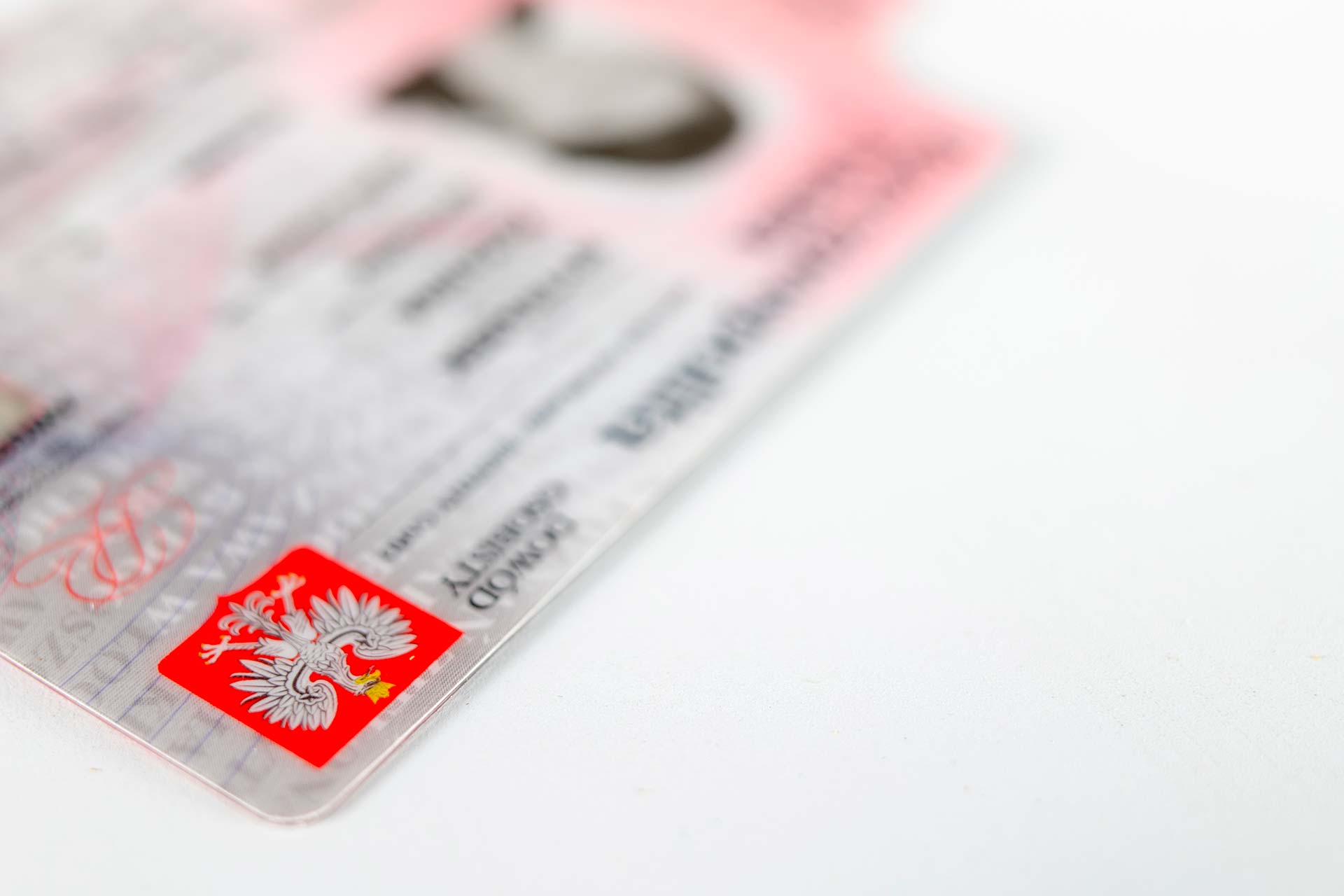
Temporary residence status is usually granted for up to 3 years depending on the grounds for residence. After approval, the applicant pays approximately PLN 100 for the production of the plastic residence card and personally collects it from the voivodeship office, usually within about 14 days.
Obtaining Permanent Residence in Poland
Foreign nationals wishing to obtain permanent residence in Poland through employment, marriage, business activity, scientific research, the Pole’s Card, or other legal grounds must submit an application to the voivode of the region where they legally reside. To receive a positive decision, applicants are generally expected to demonstrate knowledge of the Polish language at an intermediate level, as well as basic understanding of the country’s culture, traditions, and political system.
The main requirement for applying for permanent residence is legal and continuous stay in Poland for at least 5 years, although certain exceptions exist. For example, holders of the Pole’s Card are not required to reside in the country for an extended period before applying. They may submit a permanent residence application shortly after arriving in Poland. Foreign nationals recognized as victims of human trafficking may apply for permanent residence after 1 year of continuous legal stay in the country.
During the 5-year qualifying period, applicants are generally not allowed to remain outside Poland for more than 6 consecutive months. The total period of absence from the country must not exceed 10 months in total, although certain legal exceptions apply under the Foreigners Act.
Procedure for Obtaining Permanent Residence in Poland:
- Visit to the Voivodeship Office.
The applicant must personally submit the application and supporting documents, provide fingerprints, and pay the state fee, which currently amounts to approximately PLN 640. The application must be filed no later than the final day of the applicant’s legal stay in Poland. While the application is under review, a special stamp is placed in the applicant’s passport or official documents confirming the legal right to remain in the country. - Verification by Border Guard, Police, and State Security Authorities.
The verification process usually lasts around 30 days, although in some situations it may be extended to up to 2 months. The purpose of the review is to determine whether the applicant poses any threat to public order or national security. If the applicant’s information is properly registered in the Schengen Information System, the likelihood of refusal is generally lower. - Decision on Permanent Residence.
The applicant is informed of either approval or refusal of permanent residence status. In the case of a positive decision, the plastic permanent residence card (karta stałego pobytu) is generally issued within approximately two weeks. The fee for producing the residence card currently amounts to around PLN 100.
Differences Between Temporary and Permanent Residence in Poland
A temporary residence permit gives a foreign national the right to legally stay in Poland and carry out the activity on the basis of which the permit was granted, such as employment, business activity, education, internships, or volunteering.
Permanent residence offers broader rights compared to temporary residence. Holders of permanent resident status have access to almost all rights guaranteed under the Polish Constitution, with the exception of voting rights and the ability to hold certain positions within state authorities.
Temporary and permanent residence cards also differ in their validity periods. A temporary residence permit is usually issued for up to 3 years depending on the grounds for stay, while permanent residence status itself is granted indefinitely. However, the physical permanent residence card must generally be renewed every 10 years.
A temporary residence card is replaced when the permit is extended or returned to the voivodeship office after its expiration.
Risks of Applying for Residence Status Independently
In most cases, refusal of a residence permit application is connected to one of the following reasons:
- failure to comply with the official requirements for completing the application form;
- inaccurate or incorrectly entered personal information;
- failure to provide mandatory information requested in the application;
- incomplete documentation or low-quality translations of submitted documents;
- missing the application deadline required to confirm legal stay in Poland or failure to appear when summoned by the authority reviewing the case.
Certified sworn translators are often heavily booked, so applicants are advised to arrange translations well in advance. Working with insufficiently qualified translators may create additional complications during the review process because of translation mistakes or inconsistencies in documentation.
Professional support from migration lawyers or specialists experienced in Polish immigration procedures can significantly reduce the risk of refusal and help applicants prepare their documentation in accordance with current legal requirements.
Obtaining a residence permit in Poland remains one of the most accessible ways for applicants from non-EU countries to relocate to the European Union and build a stable future in Europe. Poland offers foreigners opportunities for employment, education, business development, family reunification, and eventual naturalization. At the same time, the immigration process requires careful preparation, compliance with legal requirements, and properly completed documentation at every stage. A clear understanding of Polish immigration procedures significantly increases the chances of successfully obtaining temporary or permanent residence and integrating comfortably into life in Poland.
Even minor mistakes in applications, translations, or supporting documents may lead to delays or refusals during the immigration process. That is why many applicants choose to work with migration lawyers who help prepare documentation correctly, select the most suitable immigration pathway, and provide professional support at every stage of relocation and legalization abroad.
Content